Air–sea interaction
Using buoy observations and environmental fields to examine how winds force waves and the upper ocean.
Physical oceanography · Honolulu, Hawaiʻi
I study how the atmosphere and ocean exchange energy—especially how tropical cyclones organize wind, waves, and the upper ocean across space and time.
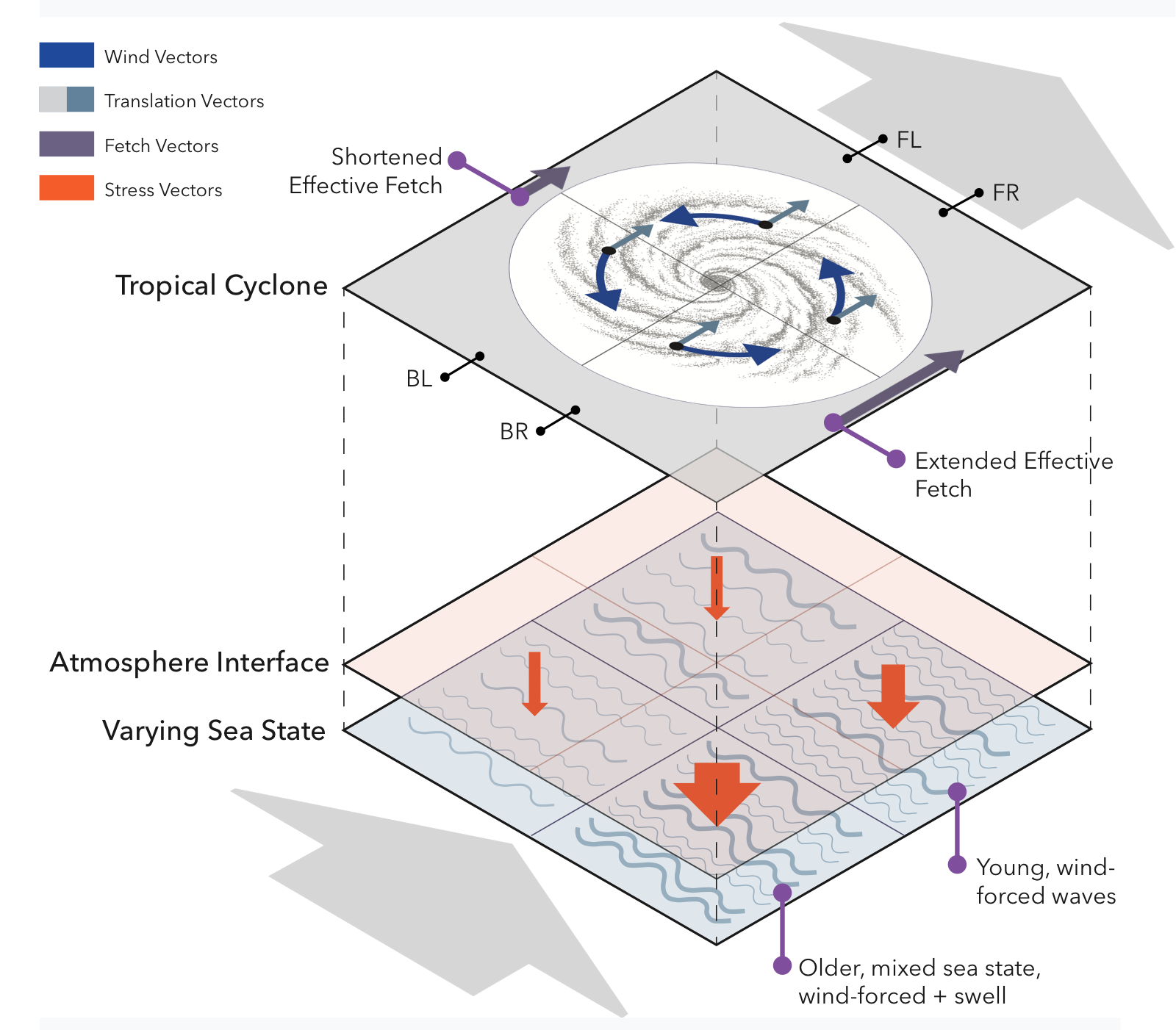
A forcing history is a path, not a point. Wind, wave, and ocean states retain the record of where they have been.
Current focus
I am a Physical Oceanography PhD student at the University of Hawaiʻi at Mānoa, studying air–sea interaction and tropical cyclones. My undergraduate training in urban planning still shapes how I organize ideas and communicate across disciplines, but my active work is centered on physical oceanography.
Using buoy observations and environmental fields to examine how winds force waves and the upper ocean.
Studying spatial structure, translation, and forcing history inside rapidly evolving storm environments.
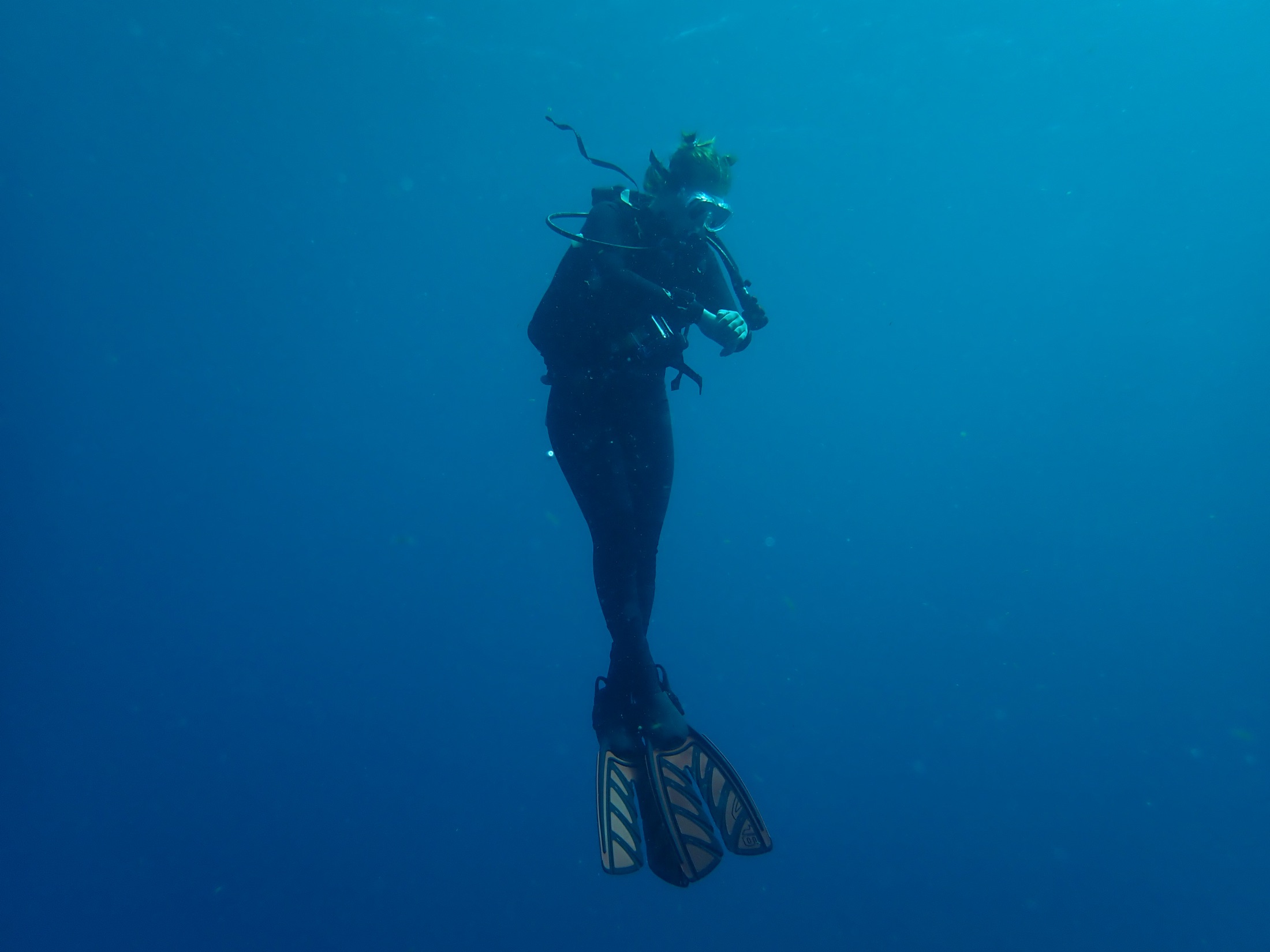
Sharing forecast literacy about Kona lows and tropical cyclones with people outside science, and exchanging ocean knowledge through diving.
Visual language
Strong graphic language, careful storytelling, and intuitive tools can turn complex science into something people can question, remember, and use. I care deeply about making scientific work beautiful, accessible, and easy to navigate—and I intend to keep that practice alongside my research throughout my career.
Selected work
Current work combines physical oceanography with visualization and usable research tools. Earlier climate, planning, and policy projects remain available in the undergraduate archive.
Testing how the wind encountered by propagating waves explains sea-state variability beyond instantaneous local forcing.
Explore the researchLive and forecast virtual-buoy trajectories alongside North Pacific ocean, wave, and atmospheric fields.
Open DriftCasterPrivate workspace
Methods, literature notes, figure development, and project documentation are maintained in a protected research notebook. Authorized collaborators can continue through Cloudflare Access.
Living documentation for tropical-cyclone waves, forcing histories, analysis methods, and active writing.